Walls That Hold Soil and Manage Water
Retaining Walls in Fort Worth for sloped properties needing erosion control and stable grade transitions
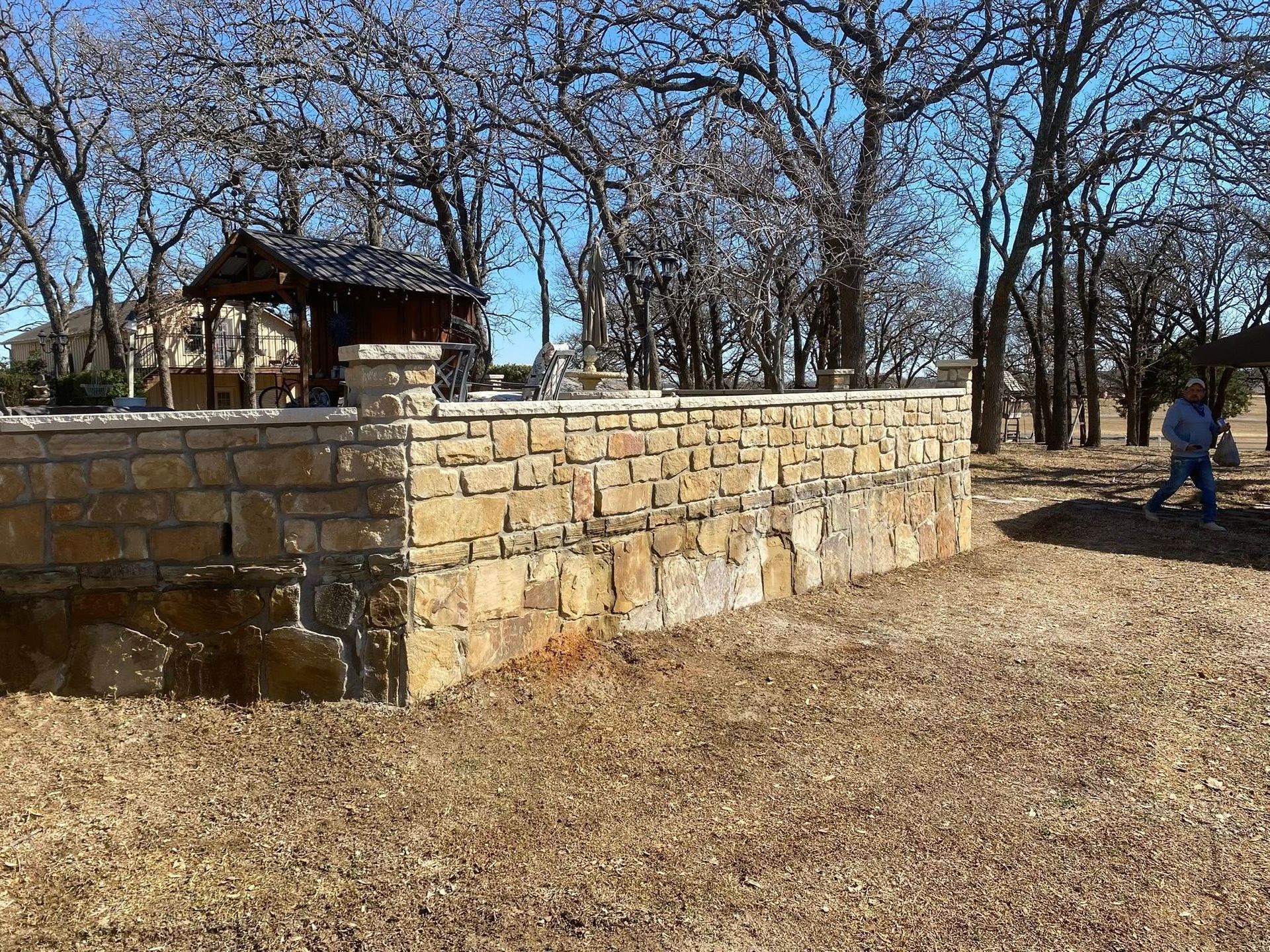
RMC Concrete & Construction LLC constructs retaining walls in Fort Worth where elevation changes, soil erosion, or drainage problems are undermining your yard, driveway, or foundation. You have slopes that wash out during storms, areas where topsoil is sliding downhill, or grade transitions that prevent usable outdoor space. This service provides engineered structural support to stabilize soil, redirect water flow, and create level areas where your property previously offered only steep or unstable ground.
The work begins with excavation to reach stable soil, followed by installation of a compacted base and drainage system behind the wall to relieve hydrostatic pressure. Walls are built using concrete, stone, or brick depending on height, load, and the visual result you want. Reinforcement is added where required to resist lateral pressure from saturated clay soils common in North Texas. Backfill is graded to direct runoff toward planned drainage paths rather than into the wall or toward structures. The result is a permanent installation that holds soil in place and prevents the erosion and washout that create ongoing maintenance problems and safety concerns.
If your property has slopes or drainage issues that limit usability or threaten structures, contact RMC Concrete & Construction LLC to assess the site and recommend a retaining wall solution that fits the terrain and your budget.
What Stabilizes After Construction
You will see level ground where slopes previously eroded, dry areas where water used to pool, and clean transitions between elevation zones that allow safe access and consistent landscaping. Soil stays in place during heavy rain, runoff moves away from your foundation, and the spaces behind and in front of the wall become usable for planting, seating, or storage without the risk of shifting or collapse.
RMC Concrete & Construction LLC designs walls to handle the soil type, slope angle, and water volume present on your property. Drainage systems are integrated rather than added as an afterthought, meaning weep holes, gravel backfill, and perforated pipe work together to prevent pressure buildup that causes walls to lean or fail. You receive a structure built to perform for decades, not just until the next storm cycle.
Retaining walls are structural elements, not decorative borders. Height, material, and reinforcement are determined by engineering requirements, though finish choices allow the wall to match your landscape style. Walls above a certain height may require permits and engineered drawings, which are handled as part of the project. Installation timelines depend on wall length, height, and site access, with most residential walls completed within one to three weeks.
What You Should Understand About Retaining Walls
Retaining wall projects in Fort Worth involve soil mechanics, drainage planning, and construction methods that directly affect long-term performance, and these answers clarify what to expect before work begins.
What causes a retaining wall to fail?
Walls fail when drainage systems are inadequate, footings are too shallow, or the wall is not strong enough to resist lateral pressure from saturated soil, which is why proper backfill and weep hole placement are non-negotiable in Fort Worth clay soils.
How deep does the base need to be?
The footing depth depends on wall height and soil conditions, but a common guideline is to bury at least ten percent of the wall height below grade, with deeper footings required for taller walls or unstable soils.
Why is drainage more important than the wall material?
Without drainage, water pressure builds behind the wall and pushes it forward regardless of material strength, so gravel backfill and drainage pipe are installed behind every wall to relieve that pressure and extend the life of the structure.
How do you handle retaining walls on properties with clay soil?
Clay expands when wet and contracts when dry, creating movement that can crack or shift walls, so drainage is prioritized and reinforcement is added to resist the lateral forces generated during seasonal moisture changes common in Fort Worth.
What is not included in a retaining wall project?
Landscaping, irrigation, soil replacement above the wall, and any structural work to repair existing foundation damage are separate from the wall installation itself, and site clearing or tree removal is priced based on conditions found during the initial visit.
If your property requires a retaining wall to manage slope, control erosion, or create usable outdoor space, reach out to RMC Concrete & Construction LLC to schedule a site assessment and discuss materials and drainage planning specific to your Fort Worth location.